
Expert Picks For Masonry Restoration Products You Can Trust
Discover highly recommended products designed to enhance the longevity and appearance of masonry structures.
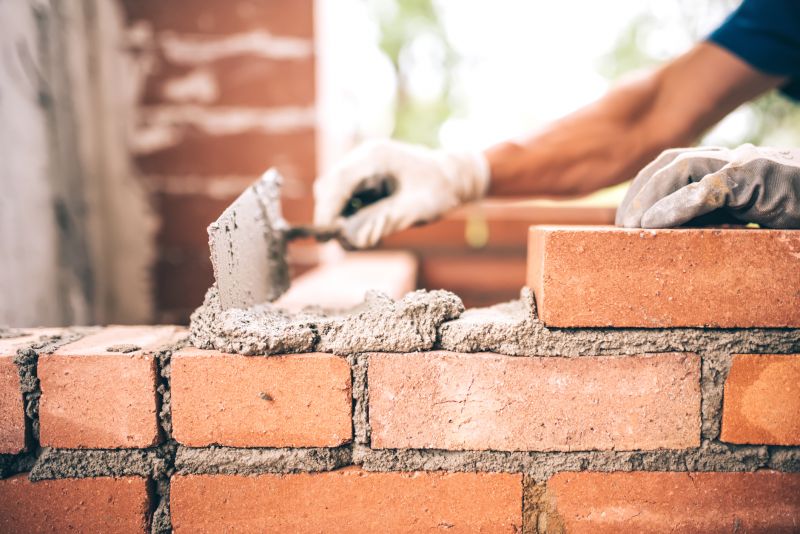 Masonry restoration products are essential for maintaining the structural integrity and aesthetic appeal of brick, stone, and concrete surfaces. These products help repair cracks, fill voids, and restore damaged masonry elements, ensuring longevity and safety. Whether working on historic buildings or modern structures, selecting the right materials is crucial for achieving durable results. From mortar mixes to sealants and cleaning agents, a wide range of products are available to address various restoration needs.
Top Overall Option
Versatile Masonry Repair Mortar
A high-quality, adaptable mortar mix suitable for a wide range of restoration projects. Designed to match existing masonry, this product offers excellent adhesion, workability, and durability. It is ideal for filling cracks, rebuilding damaged sections, and restoring historic facades while providing a consistent finish that blends seamlessly with original materials.
Types of Products For Masonry Restorations
Hydraulic Cement Patch
Quick-setting patching compound used for filling cracks and repairing leaks in masonry structures.
Lime Mortar Mix
Traditional mortar suitable for historic restoration, allowing for flexibility and breathability.
Polyurethane Sealant
Flexible sealant designed to seal joints and prevent water infiltration while accommodating movement.
Epoxy Resin Injection
High-strength resin used for structural crack repairs and stabilization of damaged masonry.
Efflorescence Remover
Chemical solution formulated to eliminate white salt deposits from masonry surfaces.
Water Repellent Sealer
Protective coating that penetrates masonry to repel water and reduce moisture-related damage.
Concrete Cleaning Solution
Specialized cleaner for removing dirt, stains, and biological growth from stone and concrete surfaces.
Repointing Trowel
Tool designed for applying and shaping mortar during the repointing process.
Restoration Sand
Fine sand used to match the texture of original mortar or plaster.
Stone Consolidant
Chemical treatment that strengthens and stabilizes deteriorated stone surfaces.
Grout Pump
Equipment for injecting repair materials into cracks or voids in masonry structures.
Brush and Scraper Set
Tools for cleaning and preparing masonry surfaces before applying restoration products.
Color-Matched Stucco
Pre-mixed stucco for patching and blending repairs with existing masonry finishes.
Rust Converter
Chemical treatment that neutralizes rust on metal components embedded in masonry.
Expansion Joint Sealant
Flexible sealant that accommodates movement and prevents water ingress at expansion joints.
Bonding Primer
Primer that enhances adhesion of repair materials to existing masonry surfaces.
Masonry Cleaning Brush
Stiff-bristled brush for removing surface dirt and debris prior to restoration.
Hydrophobic Coating
Water-repellent treatment that helps protect masonry from moisture damage.
Popular Choices
Versatile sealant suitable for sealing joints and cracks across various masonry types.
Effective cleaner for removing stains, dirt, and biological growth from concrete surfaces.
Pre-mixed mortar designed for matching historic masonry finishes during repairs.
Protective layer that helps prevent water penetration and related damage.
Resin used to fill and stabilize cracks in structural masonry components.
Solution formulated to remove salt deposits and prevent future efflorescence.
Specialized cleaner for restoring the appearance of natural stone surfaces.
Sealant that allows for movement and expansion in masonry joints.
Ready-to-use mortar for repointing and filling mortar joints.
Fast-setting cement for emergency repairs and sealing leaks.
Barrier coating designed to shield masonry from environmental damage.
Fine sand used for blending repairs with existing masonry finishes.
Treatment to neutralize rust on metal embedded in masonry.
Material for filling expansion joints to allow movement and prevent water ingress.
Primer that enhances adhesion of repair compounds to masonry surfaces.
Tools for surface preparation prior to applying restoration products.
Chemical for restoring the natural color and brightness of concrete surfaces.
Water-repelling sealant that penetrates deep into masonry materials.
Proper preparation is key to successful masonry restoration, which often involves cleaning surfaces to remove dirt, efflorescence, or biological growth. Following cleaning, repairs can be made using specialized mortars and patching compounds designed to match the original material's appearance and properties. Protective coatings and sealants are then applied to safeguard against future damage from moisture ingress and environmental factors.
The quality and compatibility of restoration products directly influence the longevity and visual harmony of the finished work. It is important to consider the specific type of masonry, the extent of damage, and the desired aesthetic outcome when choosing products. Using appropriate tools and techniques alongside these materials can significantly enhance the effectiveness of the restoration process. Proper application and curing are vital to ensure that repairs last and that the restored masonry maintains its structural and visual integrity over time.
Key Buying Considerations
- Identify the specific type of masonry surface to ensure compatibility of the product.
- Assess the extent of damage to determine whether repair, reinforcement, or cleaning products are needed.
- Consider the environmental conditions the masonry will face, such as exposure to moisture or temperature fluctuations.
- Select products that match the original material in color, texture, and composition for aesthetic consistency.
- Check the curing time and application instructions to fit your project timeline.
- Evaluate the ease of application and whether specialized tools are required.
- Ensure the product's compatibility with existing repair materials to prevent adverse reactions.
- Look for products that provide clear instructions and safety guidelines for proper use.
- Determine if the product is suitable for historic preservation if working on older structures.
- Consider the long-term durability and whether additional protective treatments are recommended.
- Review the product's resistance to water, salts, and biological growth for ongoing protection.
- Check for any necessary surface preparation steps before applying the product.
- Evaluate the potential for color matching or blending with existing masonry finishes.
- Assess the environmental safety and VOC levels if applicable.
- Verify the manufacturer's recommendations for temperature ranges during application.
This content includes affiliate links. We may earn a commission if you make a purchase through these links, at no additional cost to you.